Fethard Medieval Walls Walking Guide
Complete circuit of Fethard's 13th-century ramparts. We'll cover the best sections, what you're actually looking at, and why this medieval town still takes your breath away.
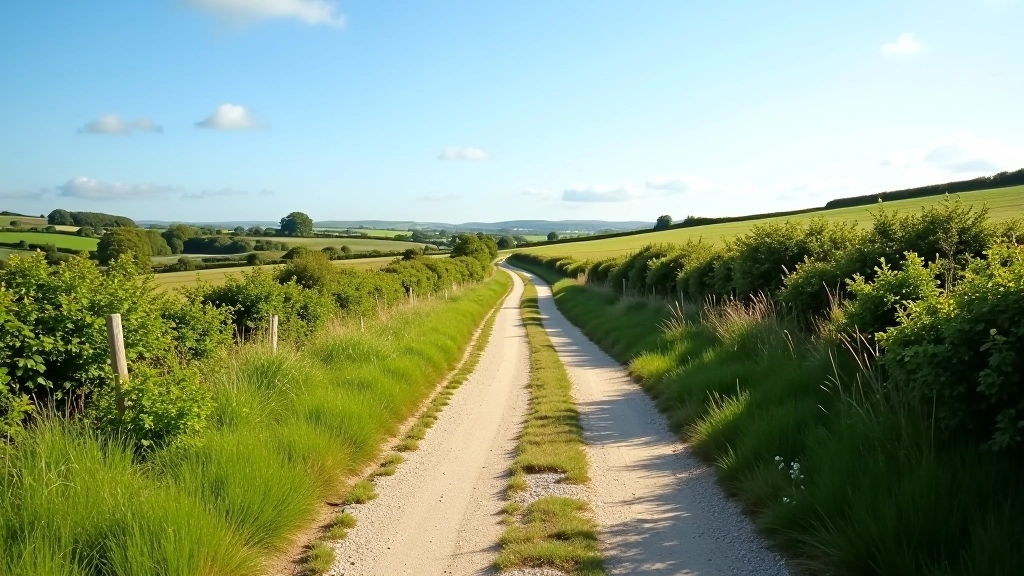
Wexford's historic walks aren't just strolls through the countryside — they're journeys through centuries of Irish heritage. Whether you're exploring medieval ramparts in Fethard or wandering the quays of Dunmore East, a bit of planning makes all the difference. You'll want to know what to wear, how long each walk takes, and what you're actually looking at when you round each corner.
We've walked these routes ourselves and talked to hundreds of visitors. The best experiences happen when people know what to expect. That's what this guide's all about.
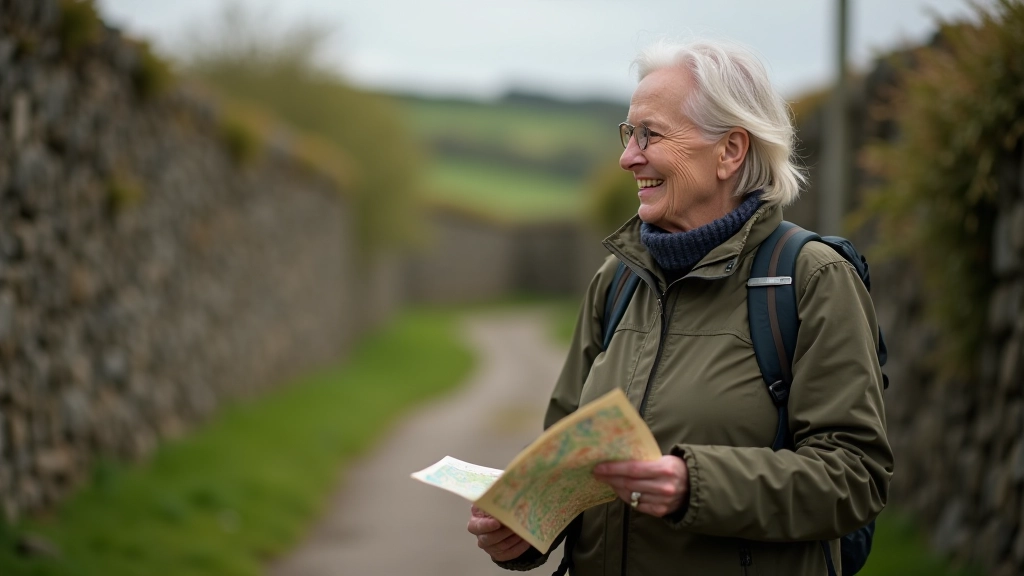
Duration matters more than distance on heritage walks. A 3-kilometre route through Fethard's medieval walls isn't the same as a 3-kilometre coastal walk — you'll be stopping constantly to look at 13th-century stonework, read interpretation boards, and take photos.
Most of Wexford's main walks take between 90 minutes and 2.5 hours. Don't rush it. If you're going with others, build in extra time for chatting and exploring side streets. The real experience isn't about ticking a box — it's about standing in places where things actually happened.
Pro tip: Start your walk mid-morning, not early. You'll avoid the morning rush and have better light for photography by late afternoon.

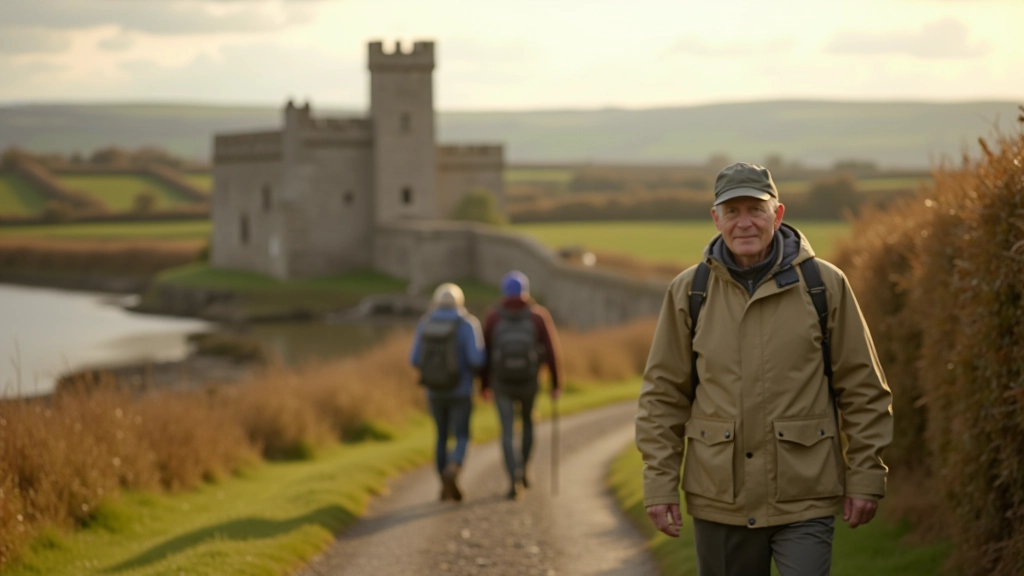
Irish weather doesn't read guidebooks. You could have bright sunshine at 10am and drizzle by noon. Layering's your best friend — start with a lightweight base, add a fleece, and bring a waterproof jacket you can pack away when you don't need it.
Footwear matters. You're not hiking mountains, but you'll be walking on uneven ground, cobblestones, and paths that get muddy. Good walking shoes with proper ankle support beat trainers every time. And honestly? Take a small backpack with water and snacks. You'll walk better and enjoy it more when you're not thirsty.
This guide provides informational resources about planning historic walks in Wexford. While we've tried to be accurate about routes, timing, and conditions, circumstances change — weather shifts, paths get maintained, and access can vary seasonally. Before heading out, check local tourism websites or contact the visitor centre for current conditions. Always let someone know where you're walking, bring a mobile phone, and don't hesitate to turn back if conditions don't feel right.
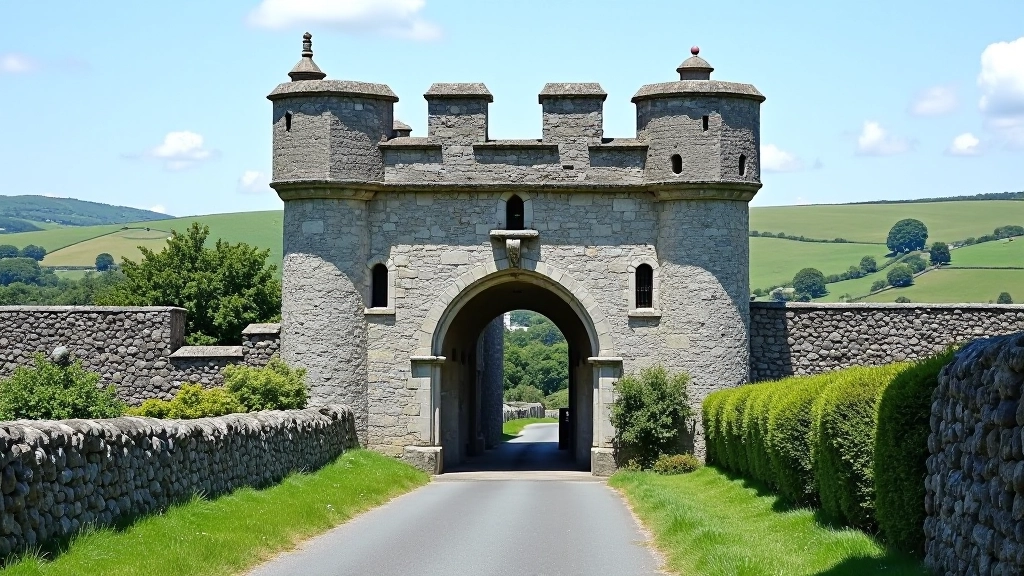
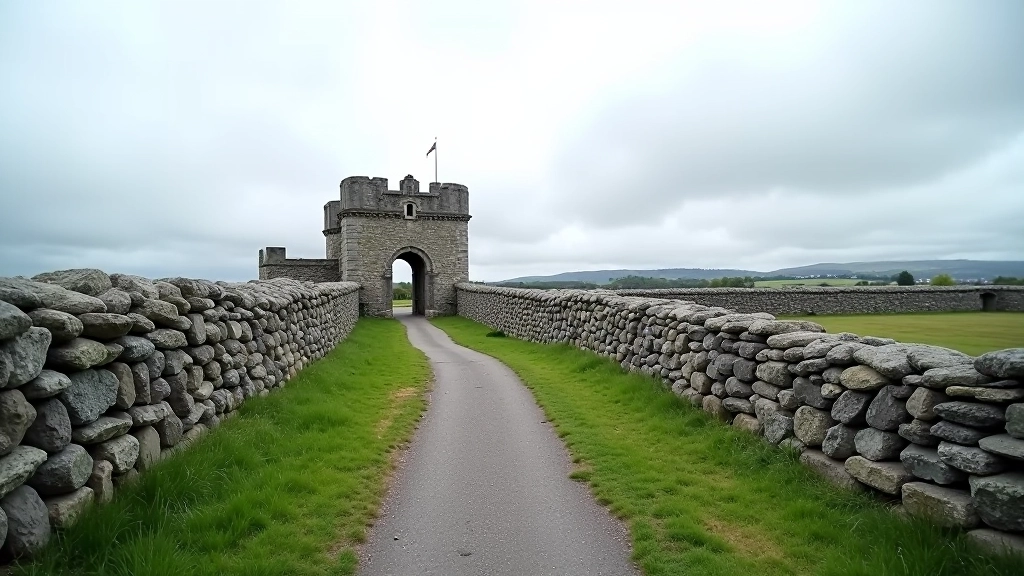
Here's what separates a nice walk from an actually interesting walk: knowing what you're looking at. Those stones aren't just old walls — they're defensive ramparts built by Norman settlers. That weathered gate? It controlled trade and defended the town. Understanding the story transforms everything.
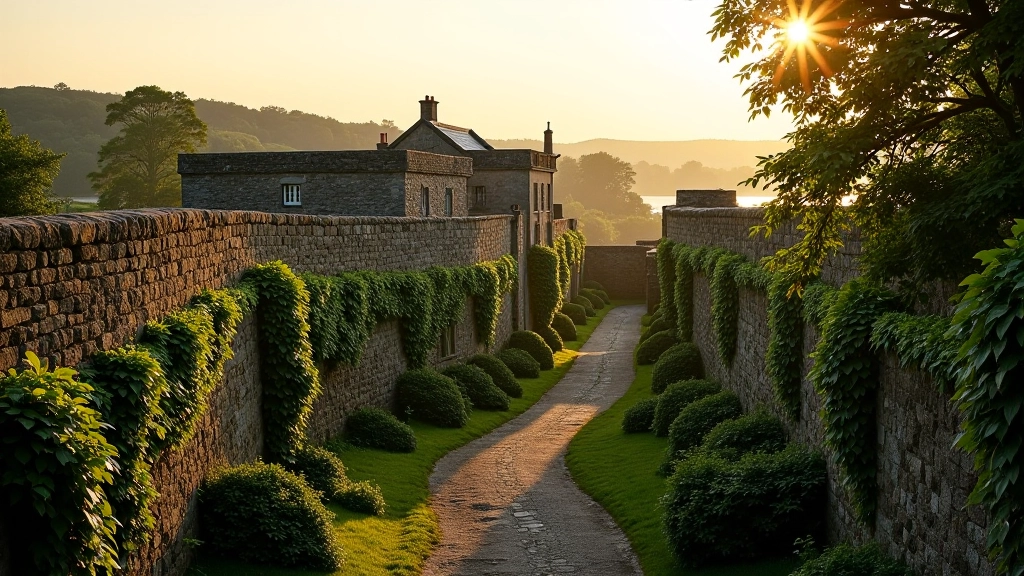
Most routes have interpretation boards at key spots. Don't skip them. They're not tourist fluff — they're actual history. If you're visiting Fethard, you're standing in a town that's been continuously inhabited since 1200. When you walk those ramparts, you're following paths that medieval traders and defenders walked.
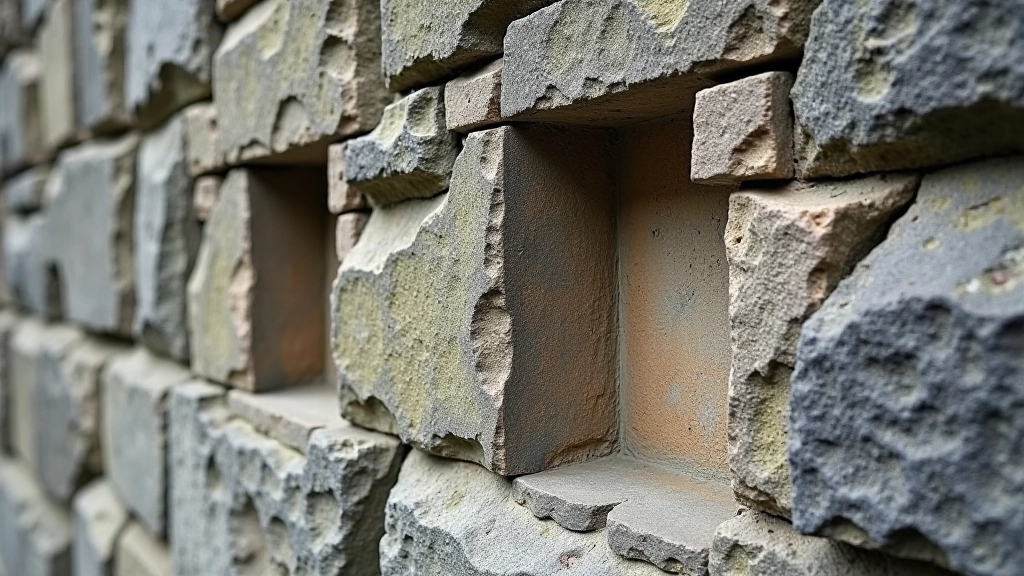
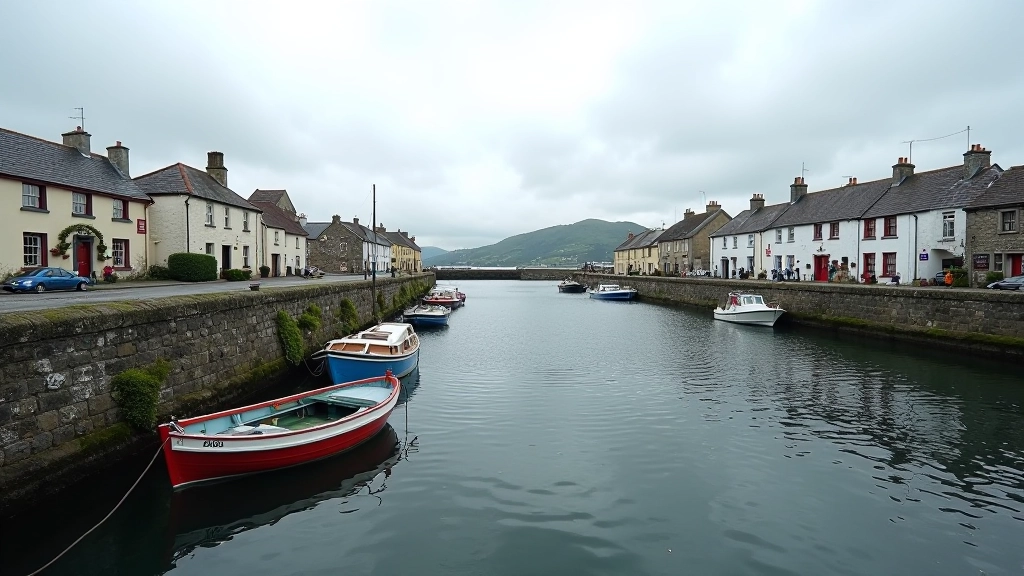
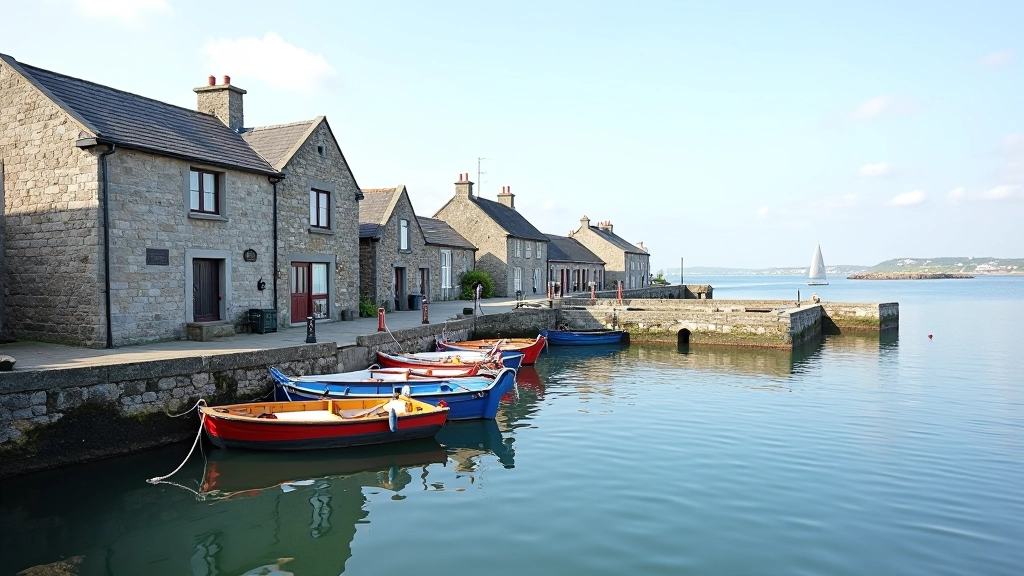
Wexford's got different walks for different interests. You're not locked into one type of experience. The rampart walks are medieval history — stone, gates, walls. The harbour walks are different — they're about maritime trade, fishing heritage, how communities survived on the water.
Think about what draws you. Are you into architecture? The Fethard circuit is incredible for that. Interested in how people actually lived? The quay walks show you where boats loaded cargo, where fishermen worked, how the economy moved goods. Pick what speaks to you and you'll walk further without noticing.
Planning ahead doesn't mean over-planning. You're not organizing a military expedition — you're just making sure you've got decent shoes and know roughly how long you'll be out. That's it. Everything else unfolds as you walk.
The best part of these walks isn't what you expect. It's the side street you wander down because a doorway looked interesting. It's the local who mentions a story about the wall you're standing next to. It's the light at a particular moment making the stones glow. That stuff can't be planned — it just happens when you're out there moving through these places.
Ready to explore Wexford's heritage routes?
Explore Our Walking Guides